Chemical Manufacturing and Distribution: Optimizing Industrial Supply Chains
Apr 27, 2026
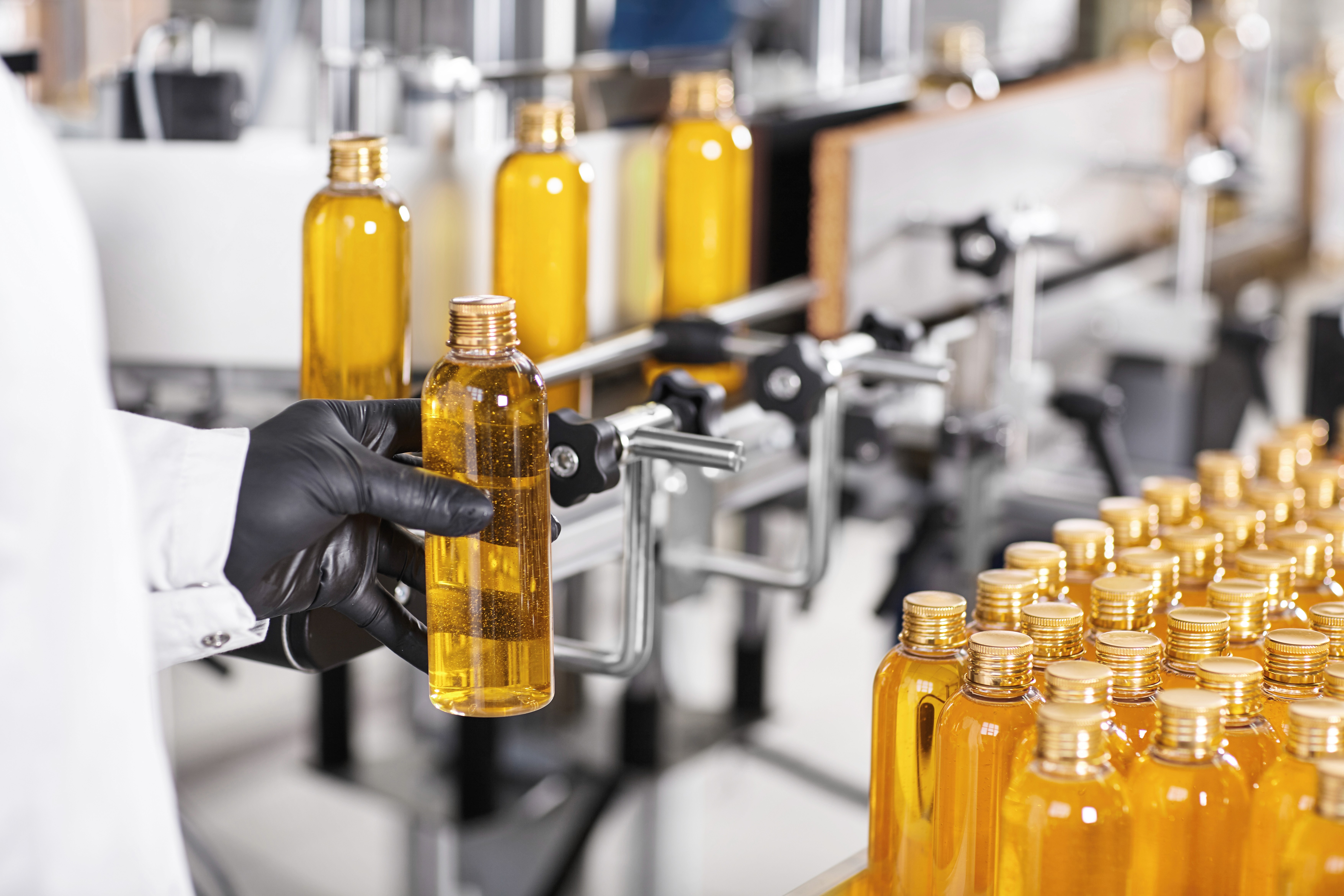
The chemical manufacturing and distribution industry is a vital component of global industrial growth. From producing raw materials to ensuring timely delivery, businesses in this sector rely heavily on efficient systems, accurate forecasting, and streamlined operations.
With increasing complexity in supply chains, companies are now focusing on chemical supply chain management and industrial chemical distribution to improve performance and reduce operational risks.
Understanding Chemical Distribution Services
At its core, chemical distribution services connect manufacturers with end users across industries such as pharmaceuticals, agriculture, and construction.
Key activities include:
Sourcing from industrial chemical suppliers
Managing storage through chemical warehousing solutions
Ensuring safe transport via chemical logistics solutions
These processes are essential for maintaining product quality and regulatory compliance.
Role of Industrial Chemical Suppliers
Industrial chemical suppliers play a critical role in ensuring a consistent flow of raw materials. They support manufacturers by offering:
Reliable sourcing and procurement
Bulk supply from bulk chemical suppliers
Access to specialty chemical manufacturers
Flexible delivery options
Strong supplier networks directly impact operational efficiency and cost control.
Importance of Chemical Supply Chain Management
Effective chemical supply chain management helps businesses navigate challenges such as fluctuating demand and regulatory requirements.
Core benefits include:
Improved visibility across operations
Better planning through chemical demand forecasting
Reduced delays using chemical supply chain optimization
Enhanced coordination between production and distribution
Companies investing in optimized supply chains gain a competitive advantage.
Enhancing Efficiency with Chemical Inventory Management
Managing inventory is complex due to the nature of chemicals. Proper chemical inventory management ensures:
Accurate stock levels
Reduced waste and spoilage
Compliance with safety regulations
Efficient warehouse utilization
Integrating inventory systems with chemical manufacturing companies improves overall workflow efficiency.
Growing Demand for Specialty Chemicals Distribution
The rise of customized products has increased the need for specialty chemicals distribution. Industries now require:
Tailored formulations
High-purity materials
Industry-specific chemical solutions
This shift has led to increased reliance on specialty chemical manufacturers and advanced distribution networks.
Importance of Chemical Logistics Solutions
Transporting chemicals requires specialized handling. Chemical logistics solutions focus on:
Safe handling of hazardous materials
Regulatory compliance and documentation
Efficient delivery timelines
Risk management during transit
Strong logistics systems are essential for maintaining supply chain continuity.
Leveraging Technology in Chemical Manufacturing
Modern chemical manufacturing companies are adopting digital tools to improve operations. Technologies such as analytics and automation enable:
Real-time monitoring of production
Insights through chemical manufacturing data analytics
Improved efficiency via chemical process optimization
Better planning using predictive tools
Technology-driven transformation is reshaping the industry.
Addressing Challenges in Chemical Distribution
Despite advancements, the industry faces several challenges:
Regulatory compliance in hazardous material logistics
Supply disruptions affecting bulk chemical suppliers
Increasing operational costs
Complex inventory and storage requirements
Addressing these issues requires integrated systems and data-driven decision-making.
Future of Industrial Chemical Distribution
The future of industrial chemical distribution lies in innovation and sustainability. Key trends include:
Adoption of automation and AI
Focus on eco-friendly chemicals
Improved chemical supply chain optimization
Expansion of global distribution networks
Businesses that embrace these trends will remain competitive in a rapidly evolving market.
Conclusion
The chemical manufacturing and distribution sector is evolving with advancements in technology and increasing demand for efficiency. By focusing on chemical supply chain management, chemical logistics solutions, and chemical inventory management, companies can streamline operations and drive growth.
Strategic use of digital tools and optimized processes will continue to shape the future of this essential industry.
Frequently Asked Questions (FAQs)
1. What is chemical manufacturing and distribution?
Chemical manufacturing and distribution involves producing industrial and specialty chemicals and delivering them efficiently through a structured supply chain. It includes sourcing, processing, storage, and transportation.
2. What do chemical distributors do?
Chemical distributors act as intermediaries between manufacturers and end-users. They handle procurement, chemical inventory management, warehousing, and chemical logistics solutions to ensure timely delivery.
3. Why is chemical supply chain management important?
Chemical supply chain management helps businesses maintain product availability, reduce delays, optimize costs, and ensure compliance with safety and environmental regulations.
4. What are industrial chemical suppliers?
Industrial chemical suppliers provide raw materials and bulk chemicals required for manufacturing processes across industries like pharmaceuticals, agriculture, and construction.
5. What challenges exist in chemical distribution?
Common challenges include regulatory compliance, hazardous material handling, fluctuating demand, and complex chemical supply chain optimization requirements.
6. What is specialty chemicals distribution?
Specialty chemicals distribution involves supplying high-value, application-specific chemicals tailored to industries requiring precise formulations and performance standards.
7. How does chemical inventory management improve efficiency?
Chemical inventory management ensures accurate stock levels, reduces waste, improves warehouse utilization, and supports smooth production and distribution processes.
8. What role do chemical logistics solutions play?
Chemical logistics solutions ensure safe transportation, regulatory compliance, and efficient delivery of chemicals, especially hazardous materials.
9. How is technology transforming chemical manufacturing companies?
Modern chemical manufacturing companies use analytics, automation, and AI for chemical process optimization, demand forecasting, and operational efficiency.