Aerospace & Defense Manufacturing: Managing High-Complexity Engineering at Scale
Apr 27, 2026
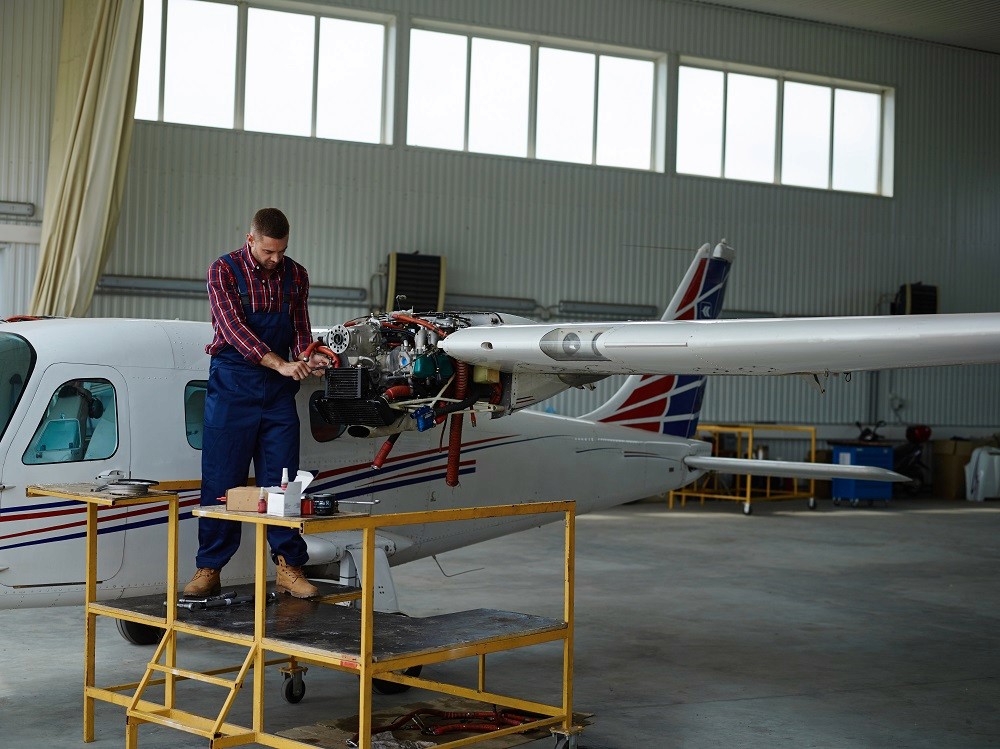
The aerospace and defense industry represents one of the most advanced and complex manufacturing environments in the world. From precision-engineered aircraft components to mission-critical defense systems, this sector demands high reliability, strict compliance, and engineering excellence.
Unlike traditional manufacturing, aerospace and defense operate in a high-complexity, low-volume production model, where every component must meet rigorous quality and safety standards. This makes efficiency, traceability, and process optimization critical for success.
What Defines High-Complexity Engineering?
High-complexity engineering in aerospace and defense refers to systems that:
Involve multi-layered supply chains
Require advanced materials and precision manufacturing
Have long product life cycles (often decades)
Demand strict regulatory and compliance adherence
Integrate mechanical, electronic, and software systems
These characteristics make production significantly more challenging compared to other industries.
The Challenge of Scaling Aerospace Manufacturing
Scaling production in aerospace is far more difficult than in mass manufacturing industries. Companies must transition from low-rate production to higher output without compromising quality or safety.
Key barriers include:
Limited availability of skilled labor
High capital investment requirements
Complex supplier dependencies
Increased risk of cost overruns
Many manufacturers struggle to scale efficiently due to supply chain constraints and infrastructure limitations .
Complex Supply Chains and Global Dependencies
Aerospace and defense rely on multi-tier global supply chains, often involving hundreds of specialized suppliers.
Major supply chain challenges include:
Shortages of critical components
Long lead times for specialized parts
Supplier consolidation reducing flexibility
Dependence on global sourcing
These factors create operational risks and delays, especially when demand increases or disruptions occur .
Additionally, recent industry data shows rising supply chain disruptions, increasing costs, and delayed production timelines across defense manufacturing .
Long Product Lifecycles and Obsolescence Challenges
A unique challenge in aerospace and defense is the mismatch between product lifespan and component lifecycle.
Aircraft and defense systems can last 30+ years
Electronic components may become obsolete within 5 years
This creates ongoing challenges in sourcing replacement parts and maintaining legacy systems over time .
Manufacturers must continuously redesign, requalify, or stockpile components to ensure long-term support.
Regulatory Compliance and Quality Assurance
The aerospace and defense industry operates under some of the strictest regulatory frameworks in the world.
Key requirements include:
Safety and certification standards
Export controls and defense regulations
Traceability of materials and components
Documentation and audit readiness
Even minor errors can lead to significant financial losses, delays, or safety risks.
Role of Digital Transformation in Aerospace Engineering
To manage complexity, companies are increasingly adopting digital technologies such as:
Advanced analytics and process intelligence
Digital twins for simulation and testing
Automation in manufacturing workflows
Predictive maintenance systems
These technologies help improve visibility, reduce inefficiencies, and support faster decision-making.
Workforce and Skill Challenges
Aerospace manufacturing requires highly specialized skills, including:
Precision engineering
Advanced machining
Systems integration
Quality assurance
However, the industry faces:
Talent shortages
Aging workforce
Increasing skill gaps
This makes workforce planning and training essential for long-term growth.
Opportunities for Optimization
Despite its challenges, aerospace and defense manufacturing offers strong opportunities for improvement:
1. Supply Chain Optimization
Multi-sourcing strategies
Risk-based supplier management
Real-time supply chain visibility
2. Process Intelligence
Identifying bottlenecks in production
Improving cycle times
Enhancing operational efficiency
3. Data-Driven Decision Making
Forecasting demand
Managing inventory effectively
Reducing production delays
Future Trends in Aerospace & Defense Manufacturing
The industry is evolving rapidly, driven by:
Increased global defense spending
Rising demand for advanced aircraft systems
Growth in space and unmanned technologies
Focus on resilient and localized supply chains
Companies that embrace innovation and digital transformation will be better positioned to handle complexity and scale effectively.
Conclusion
Aerospace and defense manufacturing is defined by high complexity, precision, and long-term reliability requirements. Managing these challenges requires a combination of advanced engineering, optimized supply chains, and digital transformation.
As the industry continues to evolve, organizations that invest in process visibility, automation, and data-driven insights will gain a significant competitive advantage in delivering high-quality, mission-critical systems.
Frequently Asked Questions (FAQs)
1. What is aerospace and defense high-complexity engineering?
Aerospace and defense high-complexity engineering involves designing and manufacturing advanced systems with strict quality, safety, and regulatory requirements, often integrating mechanical, electronic, and software components.
2. Why is aerospace manufacturing considered complex?
Aerospace manufacturing is complex due to multi-tier supply chains, precision engineering requirements, long product lifecycles, and strict compliance standards.
3. What are the key challenges in aerospace and defense manufacturing?
Major challenges include supply chain disruptions, regulatory compliance, skilled labor shortages, long production cycles, and high operational costs.
4. How do aerospace supply chains work?
Aerospace supply chains involve multiple global suppliers providing specialized components, requiring strong coordination, traceability, and risk management.
5. What is the role of digital transformation in aerospace manufacturing?
Digital transformation helps aerospace companies improve efficiency through automation, data analytics, predictive maintenance, and real-time process monitoring.
6. Why is compliance critical in aerospace and defense engineering?
Compliance ensures safety, reliability, and adherence to strict industry regulations, which are essential for certification and operational approval.
7. How do long product lifecycles impact aerospace manufacturing?
Long product lifecycles create challenges such as component obsolescence, maintenance requirements, and the need for continuous system upgrades.
8. What is process optimization in aerospace manufacturing?
Process optimization involves improving workflows, reducing bottlenecks, and enhancing production efficiency using data-driven insights and advanced technologies.
9. What technologies are used in high-complexity engineering?
Technologies include digital twins, AI-driven analytics, automation systems, and advanced manufacturing tools for precision and efficiency.
10. What are the future trends in aerospace and defense manufacturing?
Future trends include increased automation, resilient supply chains, advanced materials, AI integration, and growth in space and defense technologies.